Z-Image-Turbo
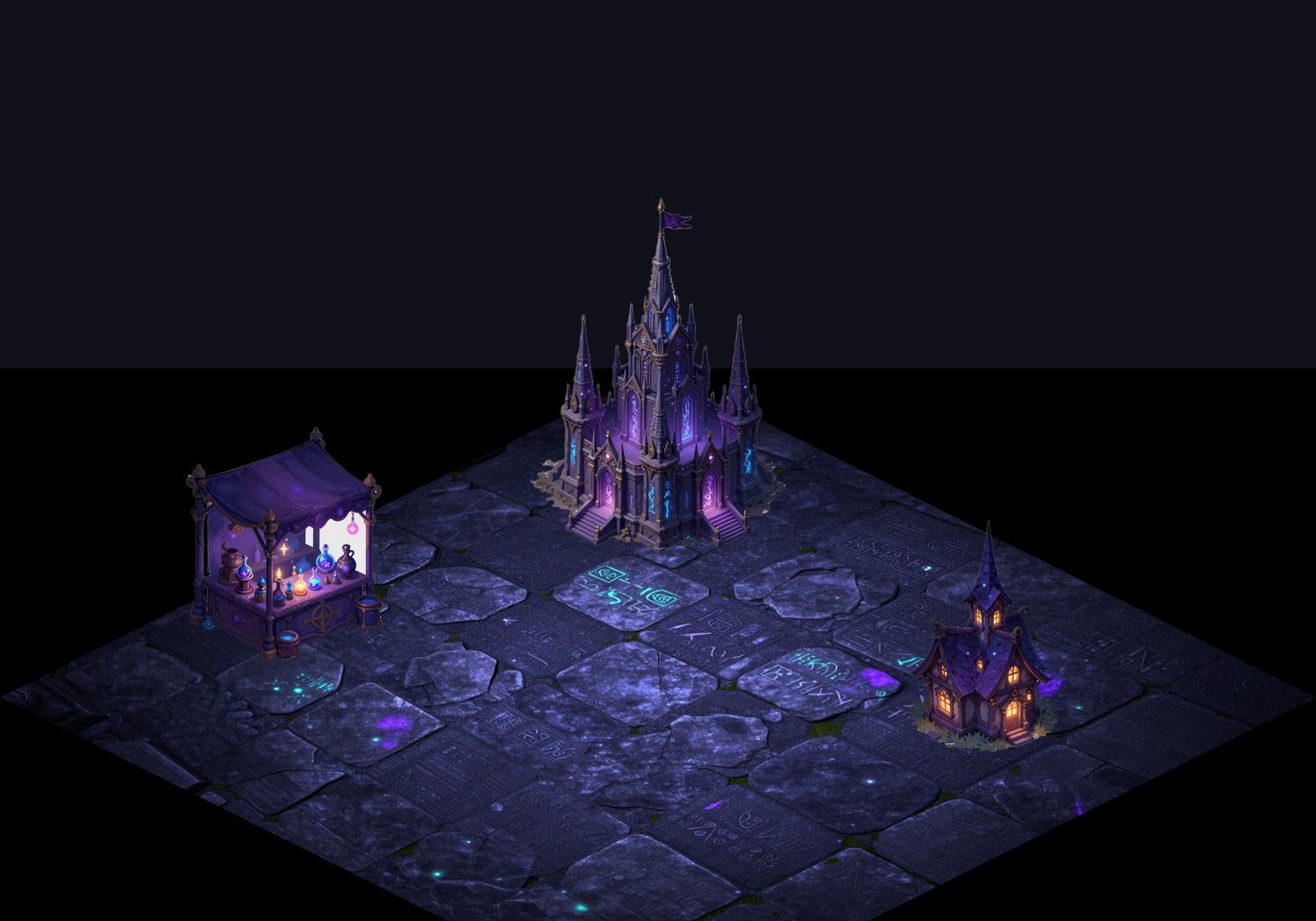
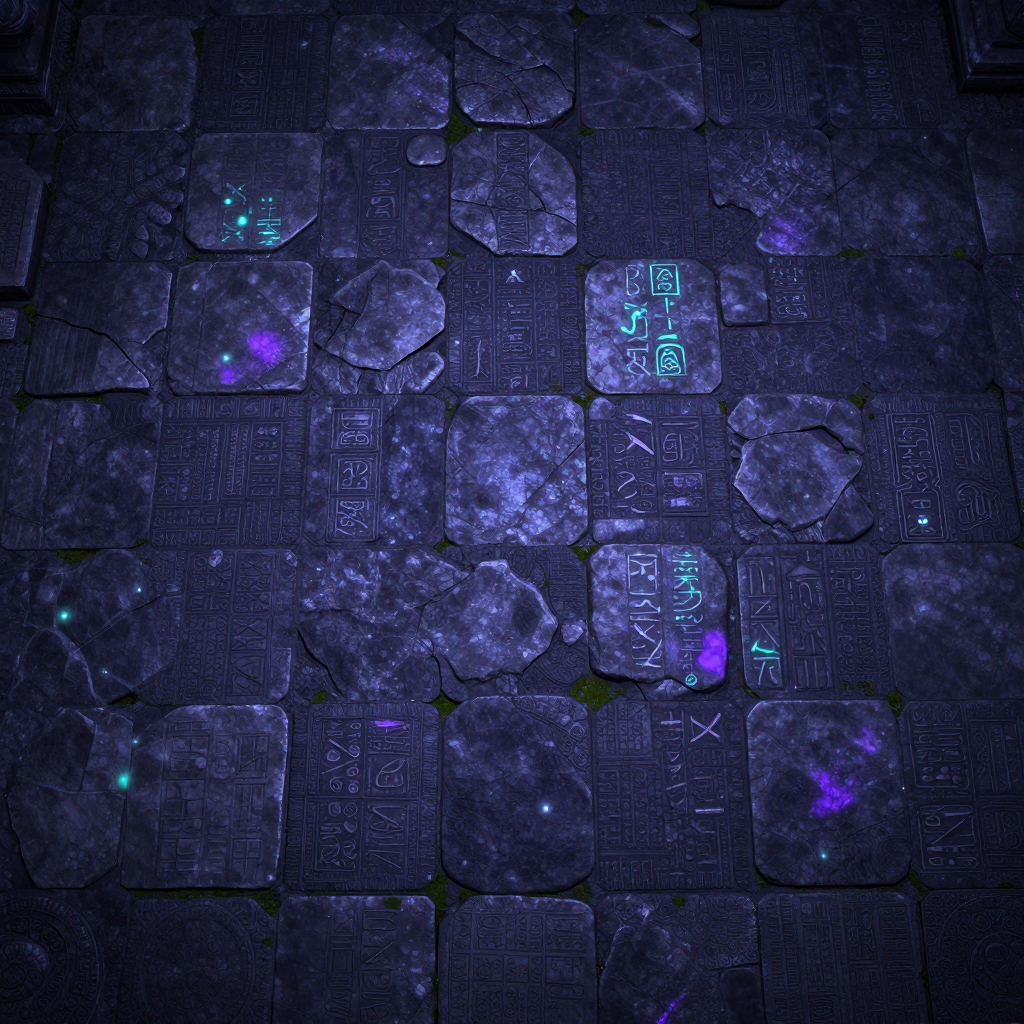 AI ground texture (before tiling + iso projection)
SANA-Sprint
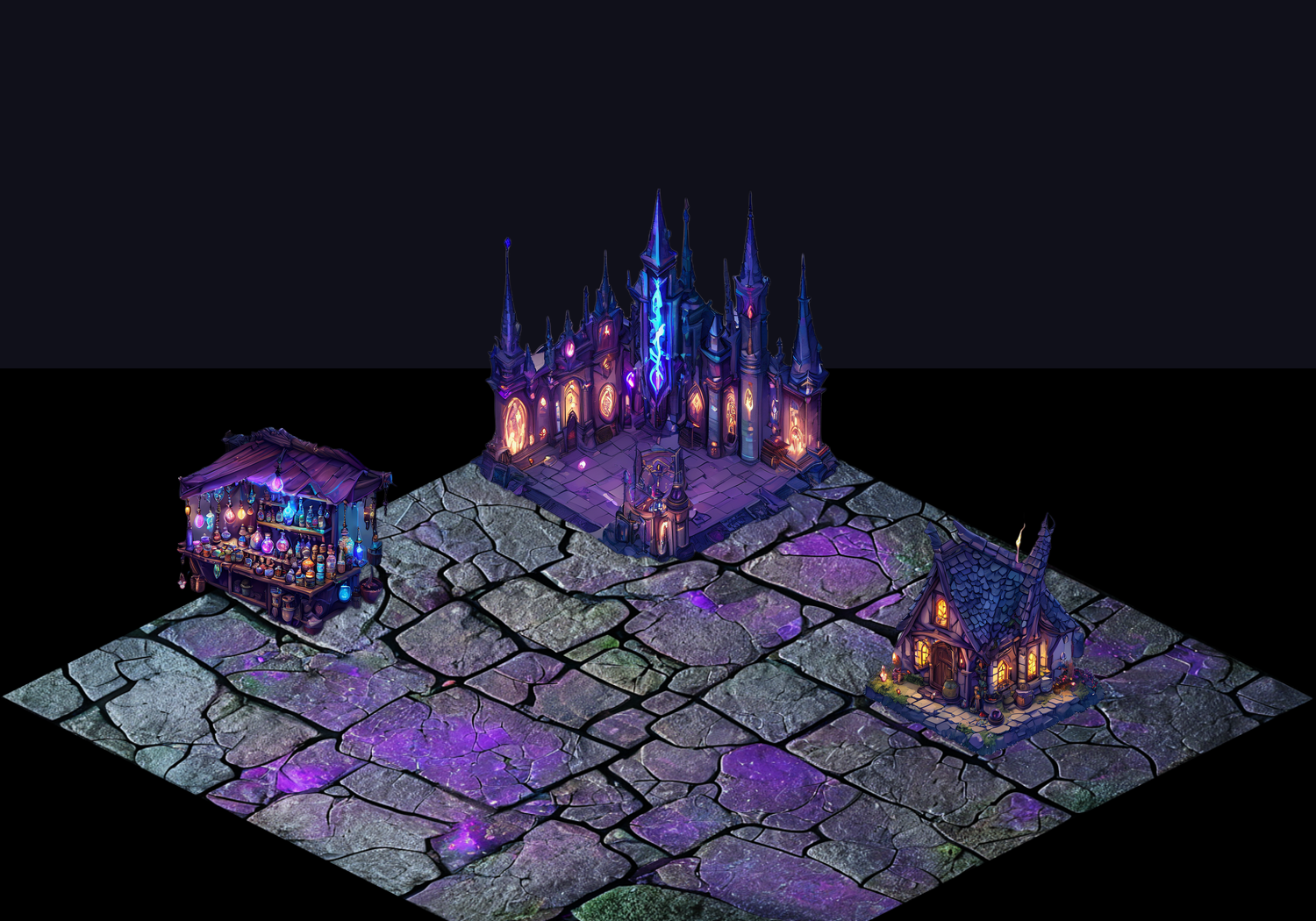
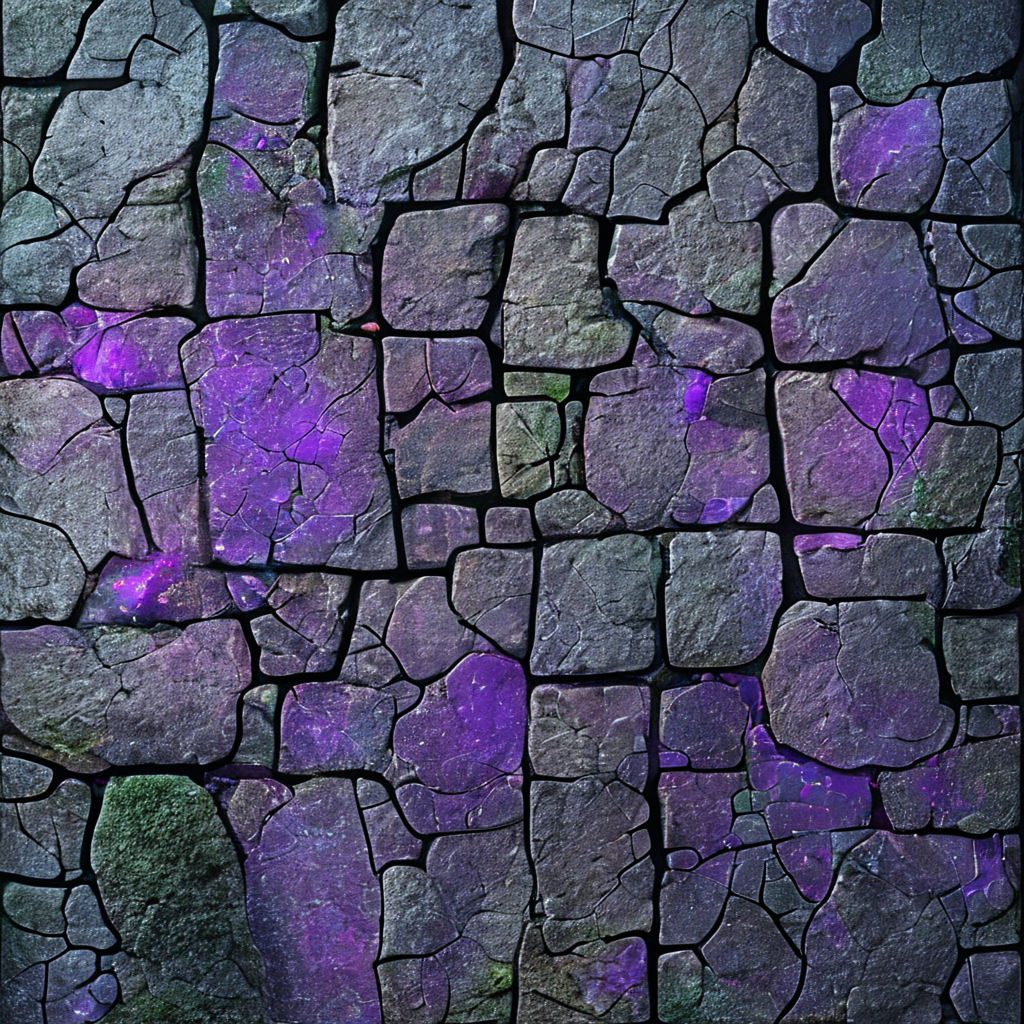 AI ground texture (before tiling + iso projection)
Bonsai
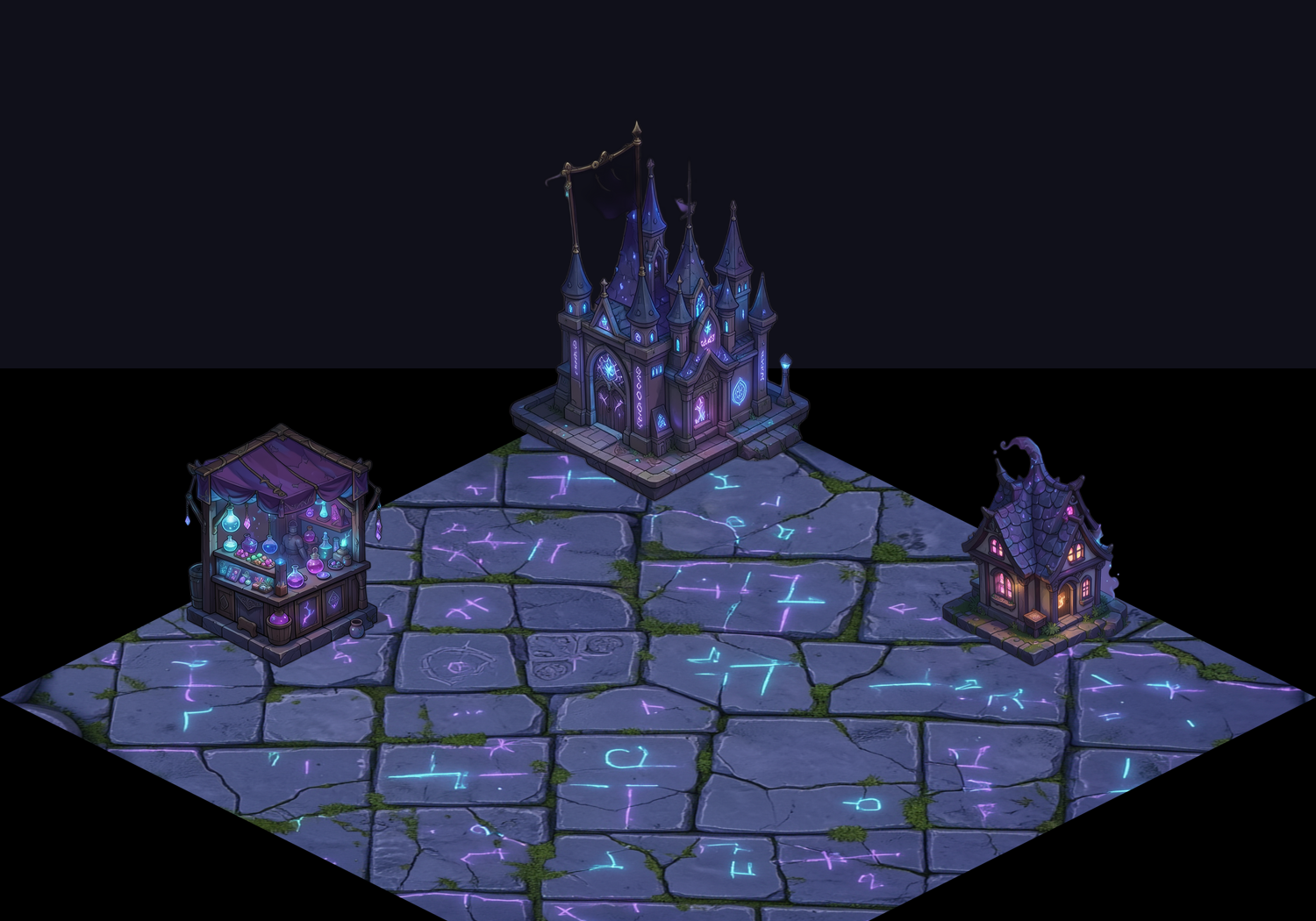
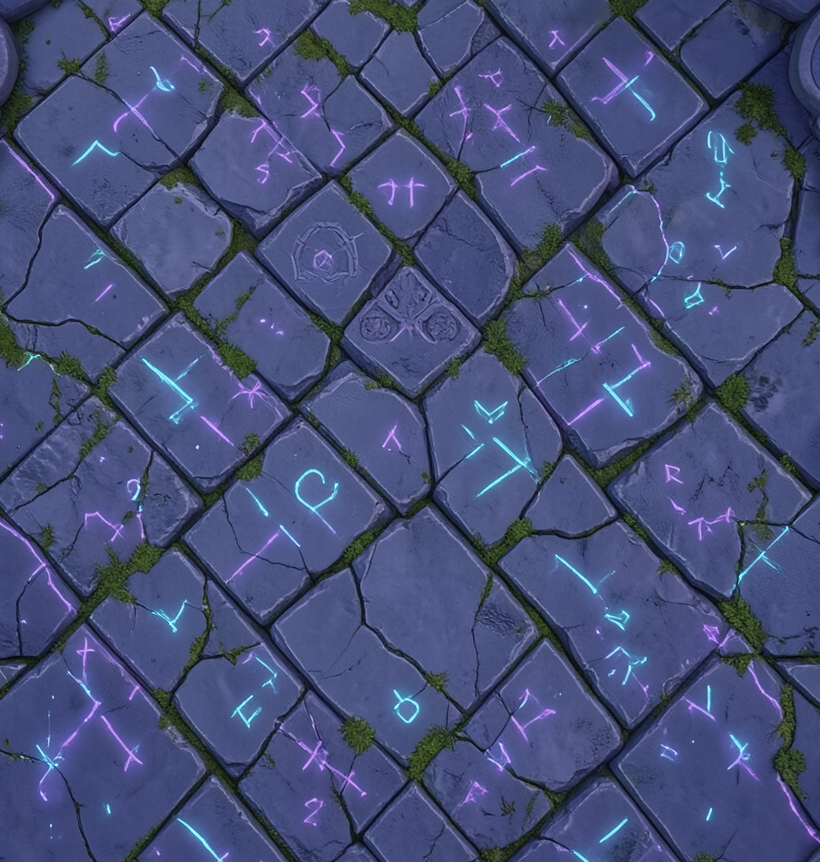 AI ground texture (before iso projection)
Testing the "everything-AI" tile-world path: an AI-generated ground texture made tileable and iso-projected in code, with AI-generated arcane buildings composited on top. Same geometry pipeline for both — only the generating model differs.
AI ground texture → mirror-tile (seamless) → rotate 45° + ½ vertical squash (iso) → tile the grid → composite rembg-cut buildingsAll three generated with the same seed (11) and prompt. For characters placed in the world, see the real-time Arcane World Scene.
AI ground texture (before tiling + iso projection)
AI ground texture (before tiling + iso projection)
AI ground texture (before iso projection)